
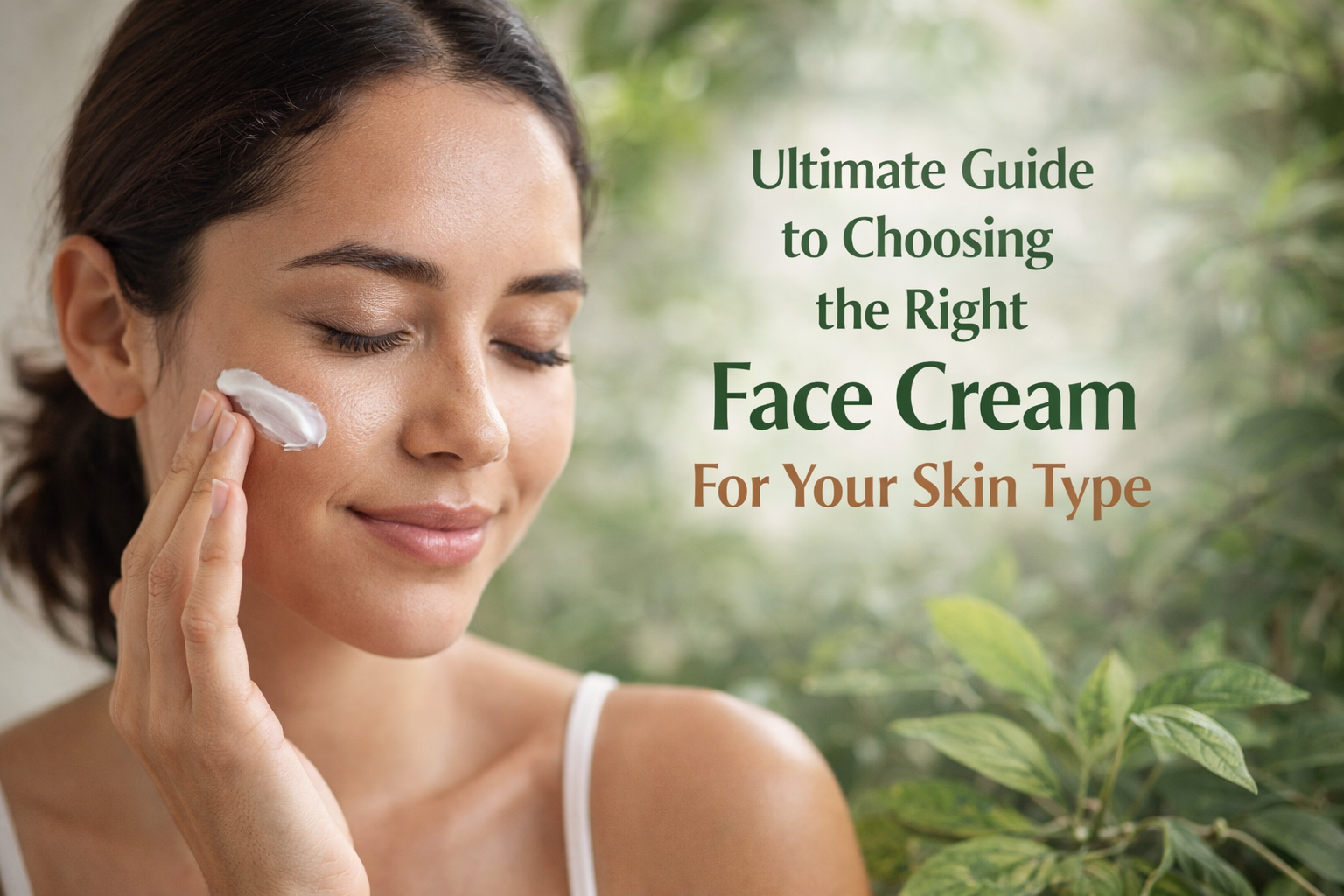
Choosing the right face cream can feel overwhelming. With countless options on the market, each promising glowing, youthful, and flawless skin, it’s easy to end up using a product that does more harm than good. The truth is simple but often overlooked, your skin type should always guide your choice of face cream.
Using the wrong formulation can lead to breakouts, irritation, dryness, or excess oil production. On the other hand, selecting the right face cream can strengthen your skin barrier, maintain hydration, and visibly improve texture and tone over time.
This ultimate guide will help you identify your skin type, understand ingredients and textures, avoid common skincare mistakes, and confidently choose the best face cream for your skin type without confusion.
Why Choosing the Right Face Cream Matters
Your face cream does much more than moisturize. It plays a key role in:
- Supporting the skin’s natural barrier,
- Regulating moisture levels,
- Preventing premature aging,
- Protecting against environmental stressors,
- Balancing oil production.
Skin is not one-type-fits-all. What works beautifully for one person may cause breakouts or sensitivity in another. That’s why understanding your skin’s needs is essential before investing in any skincare product.
Step One: How to Identify Your Skin Type
Before choosing any product, you must know your skin type. Here’s a simple, dermatologist approved method you can do at home.
The Bare Face Test
- Cleanse your face with a gentle cleanser,
- Pat dry and do not apply any product,
- Wait for 30–60 minutes,
- Observe how your skin feels and looks.
Common Skin Types Explained
1. Dry Skin
- Feels tight or rough,
- May appear dull or flaky,
- Fine lines are more noticeable,
- Often lacks natural oils.
2. Oily Skin
- Shiny appearance, especially on the T-zone,
- Enlarged pores,
- Prone to blackheads and acne.
3. Combination Skin
- Oily forehead, nose, and chin,
- Dry or normal cheeks,
- Requires balanced care.
4. Sensitive Skin
- Easily irritated,
- Reacts to fragrances or harsh ingredients,
- Prone to redness or itching.
Knowing your skin type allows you to select ingredients and textures that work with your skin, not against it.
Understanding Face Cream Textures and Why They Matter
Texture is just as important as ingredients. A mismatch can clog pores or fail to hydrate properly.
Common Face Cream Textures
- Creams: Rich and nourishing, ideal for dry or mature skin,
- Lotions: Lightweight with moderate hydration,
- Gels: Water-based, fast-absorbing, great for oily skin,
- Emulsions: Balanced hydration for combination skin.
Choosing the correct texture ensures your skin absorbs moisture efficiently without feeling greasy or tight.
Face Cream for Dry Skin: What to Look For
Dry skin needs intense hydration and barrier repair. The right formulation helps lock in moisture and prevent water loss.
Key Ingredients for Dry Skin
- Hyaluronic Acid – attracts and retains moisture,
- Ceramides – restore the skin barrier,
- Shea Butter – deeply nourishes and softens,
- Squalane – mimics natural skin oils.
Texture Matters
Thicker creams work best, especially during colder months or nighttime routines.
Using a well formulated face cream for dry skin can transform rough, flaky skin into a smooth, radiant complexion with consistent use.
Face Cream for Oily Skin: Hydration Without the Grease
Contrary to popular belief, oily skin still needs moisture. Skipping face cream can cause your skin to overproduce oil to compensate.
What Oily Skin Needs
- Oil-free or non-comedogenic formulas,
- Lightweight gel or lotion textures,
- Ingredients that balance sebum production.
Beneficial Ingredients
- Niacinamide – controls oil and minimizes pores,
- Salicylic Acid – prevents clogged pores,
- Aloe Vera – soothes and hydrates without heaviness.
A well chosen face cream for oily skin hydrates while keeping shine under control, resulting in healthier and more balanced skin.
Face Cream for Sensitive Skin: Gentle and Protective
Sensitive skin requires extra care. Harsh chemicals or fragrances can trigger irritation and long-term damage.
Signs Your Skin Is Sensitive
- Redness after product use,
- Stinging or burning sensation,
- Frequent allergic reactions.
Ingredients to Look For
- Centella Asiatica – calms inflammation,
- Panthenol – strengthens the skin barrier,
- Oat Extract – soothes irritation.
Ingredients to Avoid
- Artificial fragrances,
- Alcohol based formulas,
- Harsh exfoliating acids.
Choosing a minimal, calming face cream for sensitive skin helps reduce flare ups and improves skin resilience over time.
Combination Skin: Finding the Right Balance
Combination skin can be tricky because it has both dry and oily areas. The goal is balance, not overcorrecting either side.
Best Approach
- Lightweight creams that hydrate without heaviness,
- Ingredients that regulate oil and support moisture.
Many people with combination skin benefit from gel-cream hybrids that adapt to different areas of the face.
How Climate, Lifestyle, and Age Affect Your Face Cream Choice
Your skin type is not static, it evolves based on environmental factors, daily habits, and age. Ignoring these changes can prevent even the best face cream from delivering visible results.
Climate plays a major role. In hot and humid weather, skin tends to produce more oil, which means heavier creams may feel greasy or clog pores. Lightweight, breathable formulations are often better suited for warmer climates. In colder or drier environments, moisture evaporates quickly from the skin, making richer creams essential to prevent dryness, flaking, and sensitivity.
Lifestyle choices also influence how your skin behaves. Lack of sleep, dehydration, stress, and excessive screen exposure can weaken the skin barrier, causing dullness and irritation. People who wear makeup daily or live in polluted cities may need face creams with antioxidant protection to combat environmental damage.
Age is another key factor. As skin matures, natural oil production and collagen levels decline. This makes hydration and barrier repair ingredients more important over time, even for those who previously had oily skin.
Adjusting your face cream based on these factors ensures your skincare routine stays effective, balanced, and aligned with your skin’s real-time needs.
Key Ingredients Explained: What Really Works
Understanding labels helps you avoid marketing gimmicks and focus on what truly benefits your skin.
Hydration Heroes
- Hyaluronic Acid,
- Glycerin,
- Aloe Vera.
Barrier Repair Ingredients
- Ceramides,
- Fatty acids,
- Cholesterol.
Skin Soothing Agents
- Green Tea,
- Calendula,
- Chamomile.
A carefully balanced formula often matters more than trendy ingredients.
Common Mistakes People Make When Choosing Face Cream
Even with good intentions, many skincare routines fail due to avoidable mistakes.
1. Choosing Based on Trends
Popular products may not suit your skin type.
2. Ignoring Ingredient Lists
Fragrance and alcohol can silently damage your skin barrier.
3. Using the Same Cream Year Round
Skin needs change with climate, age, and lifestyle.
4. Overusing Heavy Creams
More product doesn’t mean better results.
Avoiding these mistakes ensures you get the full benefit of your skincare investment.
How to Apply Face Cream Correctly
Even the best formula won’t work if applied incorrectly.
Correct Application Steps
- Cleanse your face,
- Apply toner or serum,
- Use a pea-sized amount of face cream,
- Gently massage upward,
- Apply sunscreen during the day.
Consistency matters more than quantity.
Choosing the Best Face Cream for Your Skin Type
The best face cream for your skin type is one that supports your skin’s natural function rather than masking problems. It should hydrate, protect, and strengthen your skin over time.
Quality skincare brands like Incroyable Hair Life & Skincare focus on skin friendly formulations designed to deliver visible results without unnecessary additives.
Final Thoughts
Your face cream is the foundation of your skincare routine. Choosing the wrong one can undo the benefits of every other product you use. By understanding your skin type, learning how ingredients work, and avoiding common mistakes, you can make confident, informed choices that support long-term skin health.
Healthy skin isn’t about chasing perfection; it’s about giving your skin exactly what it needs.